

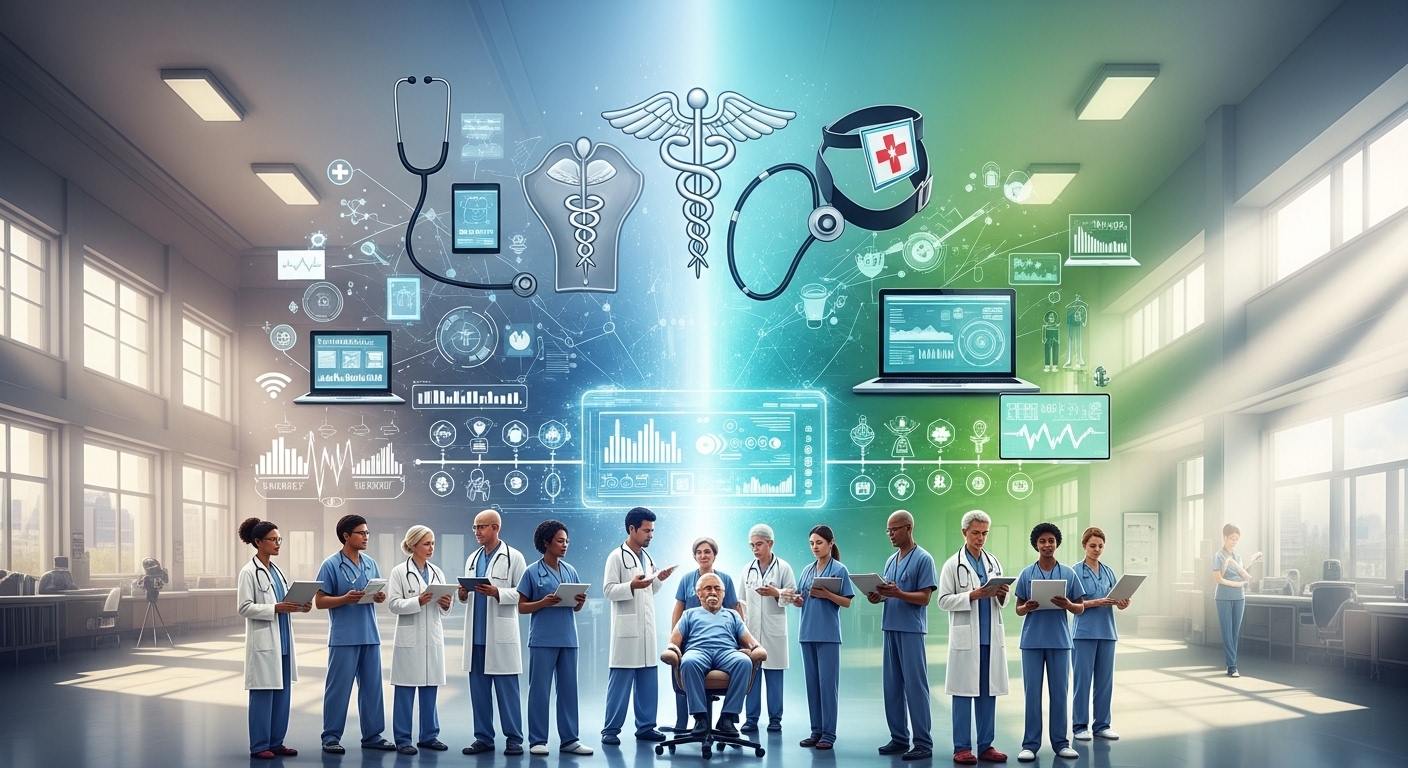
Healthcare systems are evolving rapidly to meet modern needs driven by population growth, technological advancement, rising chronic diseases, and increasing demand for accessible care. Around the world, governments and healthcare providers are shifting toward digital solutions, preventive care, and patient-centered models to improve efficiency, affordability, and overall health outcomes in today’s changing global environment.
Digital Healthcare Transformation
Telemedicine Expansion Growth
Telemedicine expansion is reshaping healthcare delivery by enabling patients to consult doctors remotely through video calls and digital platforms. This improves accessibility, reduces travel time, and ensures faster medical support, especially in rural and underserved regions worldwide today.
Electronic Health Records Adoption
Electronic health records adoption is improving medical efficiency by centralizing patient data in secure digital systems. This allows healthcare providers to access accurate medical histories quickly, improving diagnosis, treatment coordination, and patient safety across global healthcare systems today.
AI Diagnostics Integration
AI diagnostics integration is enhancing medical accuracy by analyzing scans, lab results, and patient data to detect diseases early. This technology supports doctors in making faster and more precise decisions across modern healthcare systems worldwide today.
Mobile Health Applications
Mobile health applications are empowering patients to monitor fitness, medications, and chronic conditions through smartphones. These apps improve self-care, increase awareness, and support preventive healthcare practices across global populations today.
Cloud Healthcare Systems
Cloud healthcare systems are enabling secure storage and sharing of medical data across hospitals and clinics. This improves collaboration among healthcare professionals and enhances treatment efficiency in global medical networks today.
Patient-Centered Care Models
Personalized Treatment Plans
Personalized treatment plans are becoming more common as healthcare systems use patient data to tailor medical care. This improves treatment effectiveness and reduces side effects across global healthcare systems today.
Patient Engagement Growth
Patient engagement is increasing as individuals actively participate in healthcare decisions through digital tools and educational resources. This leads to better health outcomes and stronger doctor-patient relationships worldwide today.
Home Based Care Expansion
Home-based care expansion allows patients to receive medical treatment in their homes through visiting nurses and remote monitoring systems. This improves comfort and reduces hospital overcrowding globally today.
Mental Health Integration
Mental health integration is becoming a priority as healthcare systems combine psychological support with general medical services. This approach improves overall well-being and reduces stigma worldwide today.
Chronic Care Management
Chronic care management systems are improving long-term treatment for conditions like diabetes and heart disease. Continuous monitoring and digital tools help patients manage health more effectively across global systems today.
Preventive Healthcare Focus
Early Disease Detection Systems
Early disease detection systems are helping identify health conditions before symptoms become severe. Regular screenings and diagnostic technologies improve survival rates and reduce treatment costs worldwide today.
Wellness Education Programs
Wellness education programs are promoting healthy lifestyles through awareness campaigns about diet, exercise, and disease prevention. These initiatives improve public health outcomes across global populations today.
Vaccination Program Expansion
Vaccination program expansion is strengthening immunity against infectious diseases through widespread immunization efforts. This reduces global health risks and improves community protection worldwide today.
Lifestyle Risk Reduction
Lifestyle risk reduction strategies focus on minimizing unhealthy behaviors such as smoking, poor diet, and inactivity. These efforts help prevent chronic diseases across global healthcare systems today.
Health Awareness Campaigns
Health awareness campaigns are educating people about preventive care and early diagnosis. These initiatives encourage proactive health management across global communities today.
Healthcare Technology Innovation
Wearable Health Devices
Wearable health devices are tracking vital signs such as heart rate, sleep, and physical activity in real time. These tools help individuals monitor their health more effectively worldwide today.
Robotics in Surgery
Robotics in surgery is improving precision and reducing recovery time for patients. Advanced robotic systems assist surgeons in performing complex procedures across modern hospitals globally today.
Big Data Healthcare Analytics
Big data healthcare analytics is helping medical professionals analyze large datasets to identify trends and improve treatment outcomes across global healthcare systems today.
Blockchain Medical Records
Blockchain medical records are enhancing data security and transparency in healthcare systems. This technology ensures patient information is safe and tamper-proof worldwide today.
Virtual Reality Therapy
Virtual reality therapy is being used to treat mental health conditions, pain management, and rehabilitation. This innovative approach improves patient recovery experiences globally today.
Healthcare Workforce Transformation
Digital Skill Training
Digital skill training is essential for healthcare professionals adapting to new technologies such as AI, telemedicine, and electronic health systems worldwide today.
Remote Medical Collaboration
Remote medical collaboration allows doctors and specialists to work together across different locations using digital platforms. This improves diagnosis and treatment efficiency globally today.
Workforce Shortage Solutions
Workforce shortage solutions include automation and digital tools that reduce pressure on healthcare staff while maintaining quality care across global systems today.
Continuous Medical Education
Continuous medical education programs ensure healthcare professionals stay updated with the latest treatments, technologies, and medical practices worldwide today.
Multidisciplinary Care Teams
Multidisciplinary care teams bring together specialists from different fields to provide comprehensive patient treatment, improving healthcare outcomes across global systems today.
Global Health System Challenges
Rising Healthcare Costs
Rising healthcare costs are putting pressure on governments and individuals, making affordability a key concern in global healthcare systems today.
Infrastructure Limitations
Infrastructure limitations in some regions reduce access to quality healthcare services, creating inequality in global medical systems today.
Aging Population Pressure
Aging populations are increasing demand for healthcare services, requiring more resources for chronic disease management worldwide today.
Disease Outbreak Risks
Disease outbreak risks continue to challenge healthcare systems, requiring strong preparedness and rapid response strategies globally today.
Data Privacy Concerns
Data privacy concerns are growing as healthcare systems store more digital patient information, requiring stronger security measures worldwide today.
Future of Healthcare Systems
AI Driven Healthcare Growth
AI-driven healthcare growth will improve diagnostics, treatment planning, and operational efficiency across global medical systems in the future today.
Fully Digital Hospitals
Fully digital hospitals will integrate advanced technologies for seamless patient care, improving efficiency and reducing errors worldwide today.
Personalized Medicine Expansion
Personalized medicine expansion will tailor treatments based on genetics and lifestyle, improving healthcare outcomes globally today.
Global Health Integration
Global health integration will improve collaboration between countries to address pandemics and health challenges more effectively worldwide today.
Predictive Healthcare Systems
Predictive healthcare systems will use data analytics to forecast diseases and prevent health issues before they occur globally today.
Why are healthcare systems changing?
Because of technology, rising demand, and increasing chronic diseases.
How is technology improving healthcare?
Through AI, telemedicine, digital records, and wearable devices.
What is patient-centered care?
It focuses on individual needs and personalized treatment.
Why is preventive healthcare important?
It reduces disease risk and long-term treatment costs.
What is the future of healthcare?
It will be digital, AI-driven, and highly personalized.
Conclusion
Healthcare systems are evolving to meet modern needs through digital transformation, preventive care, and advanced medical technologies. These changes are improving accessibility, efficiency, and patient outcomes worldwide. As innovation continues, future healthcare will become more personalized, predictive, and connected, ensuring better global health standards and stronger resilience against emerging medical challenges.