

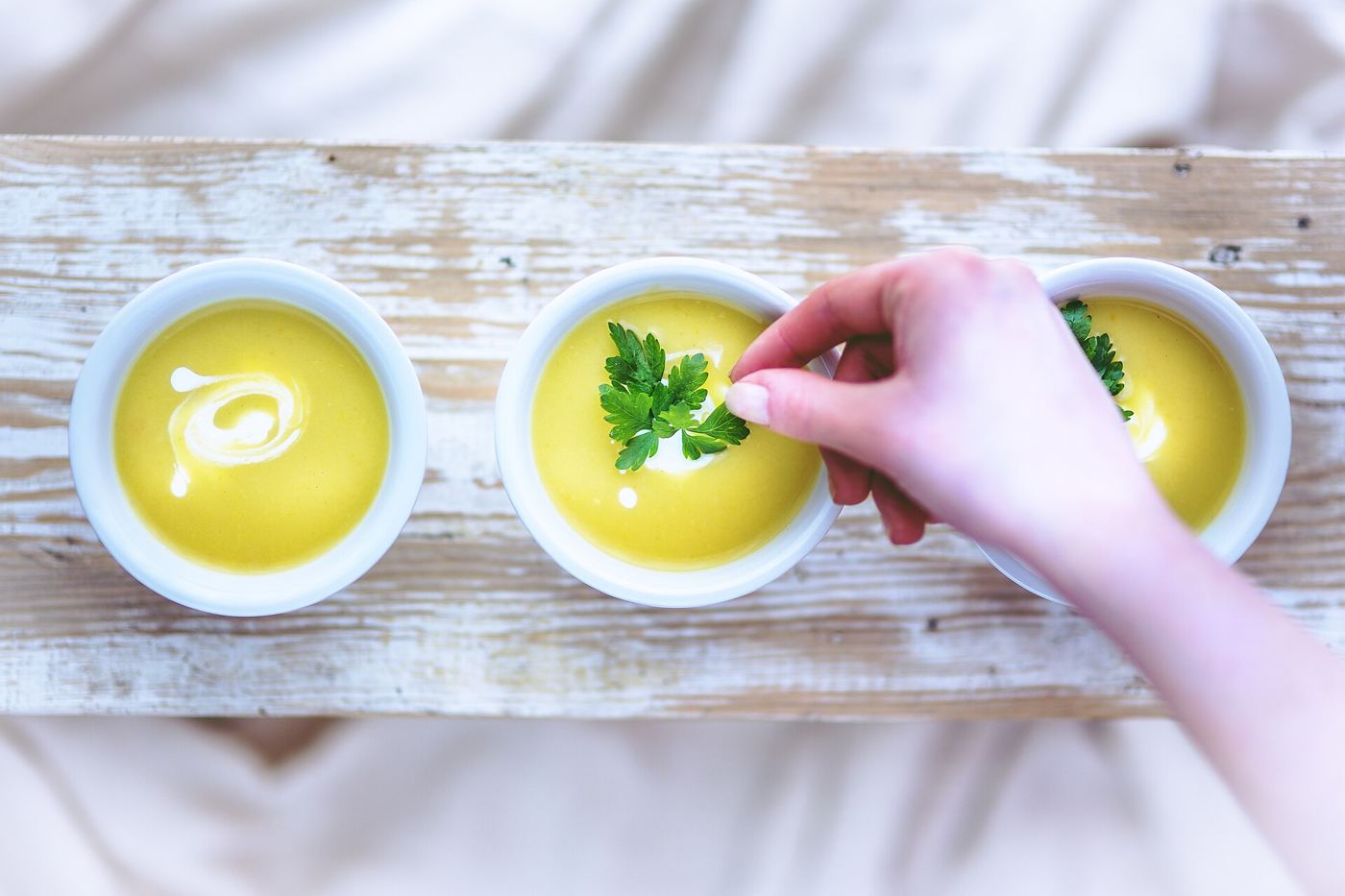
Community cooking classes are turning fresh vegetables into everyday meals, showing neighbours how to cook food that is healthy, affordable and genuinely enjoyable. Many participants arrive convinced that healthy cooking is complicated or expensive, and leave with a handful of simple recipes they can repeat at home: a vegetable soup, a bean stew, a stir-fry or a tray of roasted roots. Instructors keep the focus practical, teaching knife skills, seasoning and how to use what is in season, rather than lecturing about nutrition. Classes often end with everyone eating together, which organisers say matters as much as the cooking itself, because a shared meal builds confidence and turns strangers into a group that meets again. Health workers value the format because it reaches people who rarely attend formal health programmes. The classes tackle food waste, showing how leftovers can become tomorrow’s lunch and how store-cupboard staples can rescue a meal at home when money is tight.
What the Evidence Shows
Dietitians who support the classes stress that the goal is progress, not perfection: adding one extra vegetable to dinner, swapping a sugary drink for water, or cooking at home twice a week instead of ordering takeaway. Cost is a frequent worry, so instructors show how dried beans, lentils, frozen vegetables and market produce can keep meals cheap without losing flavour. Participants are encouraged to cook with children or partners at home, passing on the skills they have learned and making healthy eating a household habit rather than a solo effort. Many classes are free or low cost, run in community centres, schools and faith halls, and welcome complete beginners. For anyone who wants to eat better, a friendly cooking class is often the easiest and most enjoyable place to start. Recipes are shared on cards so participants can cook them at home, and many classes keep a library of dishes for newcomers. Reporting and analysis from sources such as World Health Organization track the same developments, and specialists following community cooking classes say the direction is now consistent across independent lines of evidence.
The Wider Context
The wider context is a health system trying to move from treating illness late to preventing it early, against budgets that reward the opposite. Evidence around community cooking classes is being weighed by guideline committees that ask two questions in order: does it work, and can ordinary services actually deliver it at scale. Many good ideas pass the first test and stall on the second.
What Happens Next
What happens next for community cooking classes depends on the slow machinery of guidelines, funding and training catching up with the evidence. Patients asking about it today should expect honest answers that include uncertainty, and clinicians say a service that explains what is not yet known earns more trust than one that oversells. The research pipeline, at least, is moving in the right direction. You can follow related developments in our coverage of health.
There is a practical lesson in all of this for readers deciding what to do today. Start with the verified facts, be wary of anyone promising certainty, and prefer reversible steps while the evidence is still developing. Circumstances differ by country, income and personal situation, so general guidance should always be weighed against your own context before you act on it in any significant or lasting way.
