

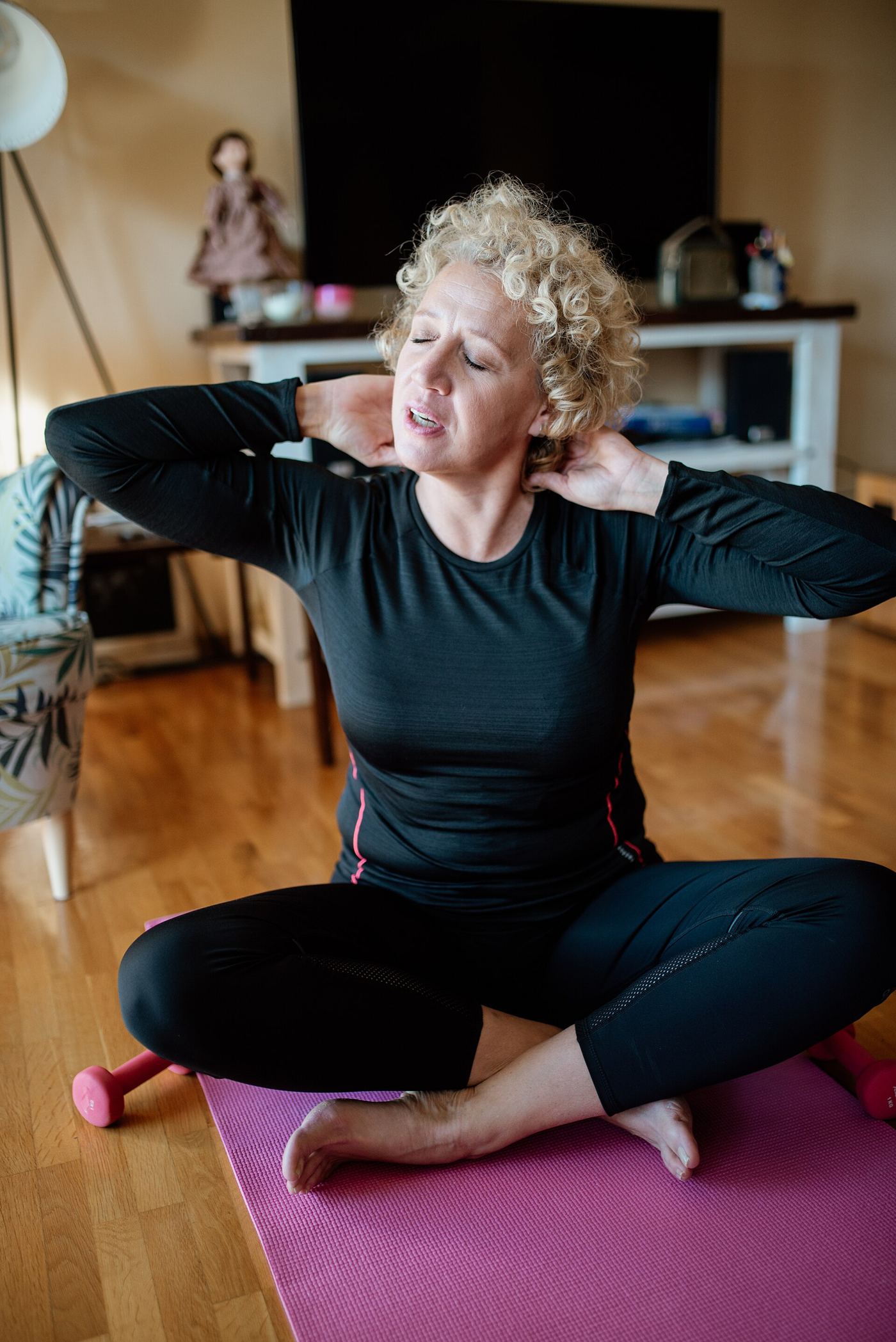
Dark winter mornings can make even confident early risers feel sluggish, but sleep and activity specialists suggest two simple supports used together. Getting daylight soon after waking, and moving the body gently, helps signal to the brain that the day has properly begun. Specialists following daylight and morning movement say light is the stronger cue of the two. Opening curtains immediately, having breakfast near a bright window, or taking a short walk outside all expose the eyes to far more light than indoor bulbs provide. Even on a cloudy morning, outdoor light remains surprisingly powerful. Gentle stretching or an easy walk then warms muscles and joints that have stiffened overnight. The combination is deliberately uncomplicated, because routines that require special equipment or long preparations rarely survive a busy working week. People who commute before dawn are advised to seek light at the first opportunity, perhaps during a mid morning break. The principle stays the same across different schedules. Anchor the start of the day with brightness and movement, and the rest of the morning often feels more alert and settled.
What the Evidence Shows
Shift workers and parents of young children may need to adapt the advice flexibly rather than follow it rigidly. A bright kitchen, a short stretch while children eat breakfast, and a walk later in the morning still deliver much of the same benefit. Specialists following daylight and morning movement caution against expecting instant results after one bright morning. Body clocks adjust gradually, usually over several consistent days. Keeping wake times reasonably steady, including at weekends, supports the same process from the other direction. Sunglasses are best avoided on the morning walk unless glare is uncomfortable, as ordinary daylight through the eyes carries the signal. None of this requires buying lamps or joining programmes, although light therapy devices are sometimes discussed with clinicians for specific conditions. For most people, the free and familiar combination works well. Step into the light, move a little, and let winter mornings become a routine to use rather than a struggle. Reporting and analysis from sources such as The Lancet track the same developments, and specialists following daylight and morning movement say the direction is now consistent across independent lines of evidence.
The Wider Context
Equity runs through every discussion of daylight and morning movement. Interventions that require apps, fees or free weekday afternoons reliably reach the people who need them least, so the programmes earning praise are those designed around clinics, workplaces and community venues that already serve everyone. Evaluation reports now publish uptake by income and region as a matter of routine.
What Happens Next
The practical takeaway on daylight and morning movement is deliberately unglamorous: it works best as part of ordinary, well-delivered care rather than as a standalone fix. Health services are planning on that basis, building the referral routes and follow-up that turn a promising result into population benefit. The gains arrive slowly and then, in the statistics, unmistakably. You can follow related developments in our coverage of health.
It is also worth remembering how quickly the picture in this area has changed before. Positions that looked settled a few years ago have been revised as new data arrived, and the same humility is appropriate now. The strongest coverage of this subject, and the most useful advice, tends to come from sources that update their views openly when the facts move, rather than defending an earlier position long after it has stopped fitting the evidence available.
