

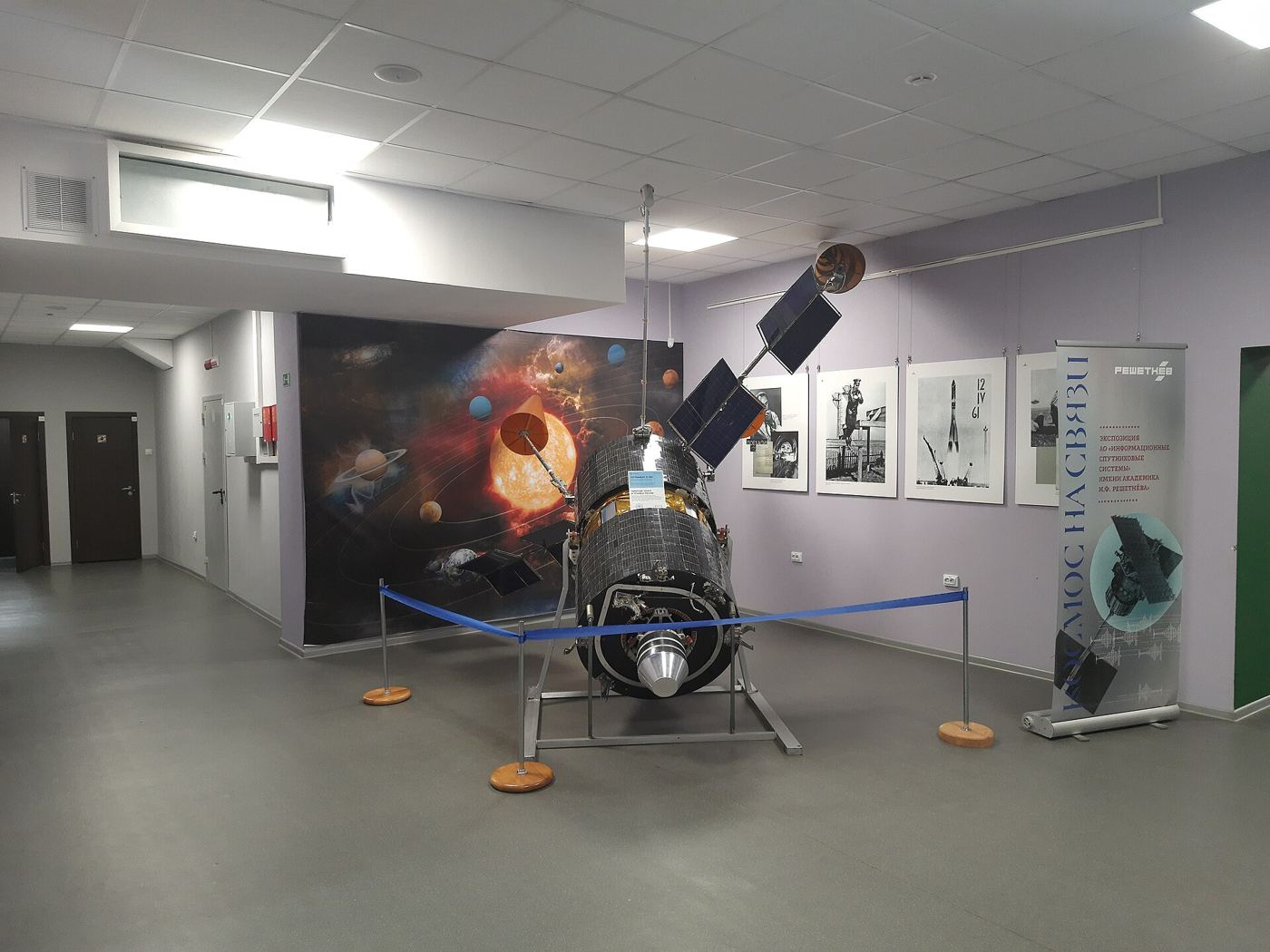
Satellites in low Earth orbit are beginning to dodge space debris on their own, using onboard tracking and autonomous manoeuvres rather than waiting for instructions from the ground. Orbit is crowded with spent rocket stages, fragments from old collisions and thousands of active spacecraft, all travelling many times faster than a rifle bullet. Ground teams currently receive collision warnings and plan avoidance burns, but the growing number of alerts is overwhelming human review for large constellations. Autonomous systems compare fresh tracking data with the satellite own trajectory, calculate a safe adjustment and execute a small burn, then report what happened. The manoeuvre must be careful, because moving to avoid one object can create risk from another, and every burn spends precious fuel that shortens working life. Engineers therefore set conservative thresholds and test decision software against years of archived near miss data before trusting it in flight. Coordination between operators is improving too, with shared formats for announcing planned moves so neighbouring satellites do not react against each other. Insurers and regulators watch the experiments closely, since a single major collision could scatter debris that endangers an entire orbital band. Early deployments suggest automation handles routine alerts well, reserving human judgement for genuinely ambiguous cases.
What the Evidence Shows
The longer goal is a traffic management culture in orbit resembling aviation, with predictable rules, shared information and machines that negotiate routine conflicts automatically. Space agencies are funding better tracking of smaller fragments, because objects only a few centimetres wide can still destroy a satellite yet often escape current catalogues. Onboard sensors may eventually fill some of those gaps, letting spacecraft detect threats that ground radar missed. Debris removal missions remain important in parallel, targeting the largest dead objects whose breakup would cause the greatest harm. Operators stress that avoidance is not a licence to keep launching without restraint, and design standards now expect satellites to deorbit themselves reliably at end of life. Fuel budgeting has become a selling point, with customers asking how many avoidance moves a spacecraft can perform across its mission. Software updates can refine behaviour after launch, another reason autonomous systems are designed with strict limits and full logging. International discussion continues on who is responsible when two automated systems interact badly. Even so, practitioners say some automation is unavoidable at current traffic levels. The choice is no longer between human and machine control, but how thoughtfully the two are combined. Reporting and analysis from sources such as IEEE Spectrum track the same developments, and specialists following autonomous satellite debris avoidance say the direction is now consistent across independent lines of evidence.
The Wider Context
Adoption of autonomous satellite debris avoidance follows a familiar pattern with an unfamiliar speed. Early users tolerate rough edges in exchange for advantage, mainstream users arrive when the tool disappears into existing workflows, and the market consolidates around whoever made that transition feel effortless. Vendors are racing less on raw performance now than on integration, support and trust.
What Happens Next
The realistic forecast for autonomous satellite debris avoidance is steady integration rather than sudden replacement: embedded in products people already use, improving in increments, and regulated in proportion to its reach. The companies and institutions that plan on that basis, training staff and redesigning processes instead of chasing launches, are the ones the adoption data tends to vindicate. You can follow related developments in our coverage of technology.
It is also worth remembering how quickly the picture in this area has changed before. Positions that looked settled a few years ago have been revised as new data arrived, and the same humility is appropriate now. The strongest coverage of this subject, and the most useful advice, tends to come from sources that update their views openly when the facts move, rather than defending an earlier position long after it has stopped fitting the evidence available.
