

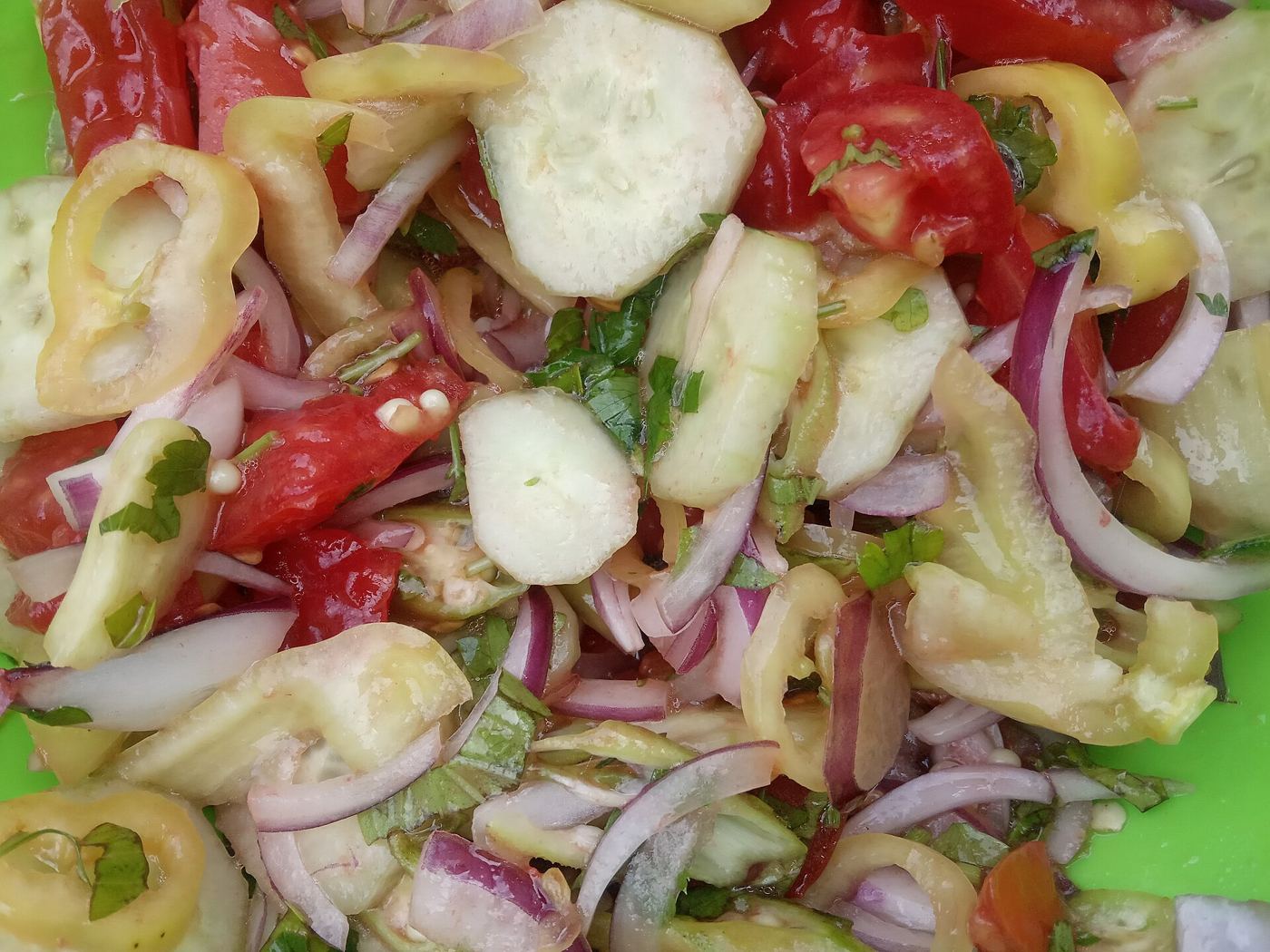
Home cooks planning heart-conscious menus are giving fresh salads and olive oil a central place on the table, inspired by eating patterns long associated with Mediterranean regions. Dietitians describe the appeal plainly: meals built around vegetables, beans, whole grains, fish and unsaturated oils tend to be rich in fibre and protective plant compounds while keeping saturated fat lower. A generous salad is no longer treated as a side dish but as the base of the meal, topped with chickpeas, lentils, grilled fish or chicken to make it filling. Olive oil, used for dressings and gentle cooking, replaces butter and other hard fats in many of these dishes, adding flavour that helps vegetables take centre stage. Nutrition specialists caution that no single ingredient guarantees heart health, and that overall pattern, portion awareness and limiting salt, processed meat and sugary drinks matter far more. Still, they welcome the shift towards colourful, plant rich plates because it tends to displace less helpful choices naturally. Supermarkets report growing sales of salad leaves, pulses and good quality oils, while cookery writers publish weeknight friendly versions of classic Mediterranean dishes that busy households can realistically prepare after work on a regular basis at home.
What the Evidence Shows
Building the habit is easier when preparation is simple, so dietitians suggest keeping washed leaves, chopped vegetables and a reliable lemon and olive oil dressing ready in the fridge. Adding beans or lentils to salads several times a week raises fibre intake, which supports both heart health and steady blood sugar, while nuts and seeds contribute texture and healthy fats in small amounts. People taking medication or living with conditions such as diabetes are advised to discuss significant dietary changes with their clinical team, particularly where grapefruit, vitamin K or overall energy needs require attention. Heart charities also remind households that food is only one part of prevention, alongside not smoking, staying active, sleeping well and keeping blood pressure and cholesterol checked. The social side of these menus matters too: shared platters of salad, grilled vegetables and fish encourage slower, communal eating that many families find more satisfying than rushed individual meals. Cost concerns can be managed with frozen vegetables, tinned pulses and seasonal produce, which carry similar nutritional value to fresher premium options. Approached this way, heart-conscious eating becomes less a restrictive regime and more an enjoyable pattern of cooking that households can sustain for years rather than weeks. Reporting and analysis from sources such as World Health Organization track the same developments, and specialists following heart-conscious home menus say the direction is now consistent across independent lines of evidence.
The Wider Context
The wider context is a health system trying to move from treating illness late to preventing it early, against budgets that reward the opposite. Evidence around heart-conscious home menus is being weighed by guideline committees that ask two questions in order: does it work, and can ordinary services actually deliver it at scale. Many good ideas pass the first test and stall on the second.
What Happens Next
What happens next for heart-conscious home menus depends on the slow machinery of guidelines, funding and training catching up with the evidence. Patients asking about it today should expect honest answers that include uncertainty, and clinicians say a service that explains what is not yet known earns more trust than one that oversells. The research pipeline, at least, is moving in the right direction. You can follow related developments in our coverage of health.
There is a practical lesson in all of this for readers deciding what to do today. Start with the verified facts, be wary of anyone promising certainty, and prefer reversible steps while the evidence is still developing. Circumstances differ by country, income and personal situation, so general guidance should always be weighed against your own context before you act on it in any significant or lasting way.
