

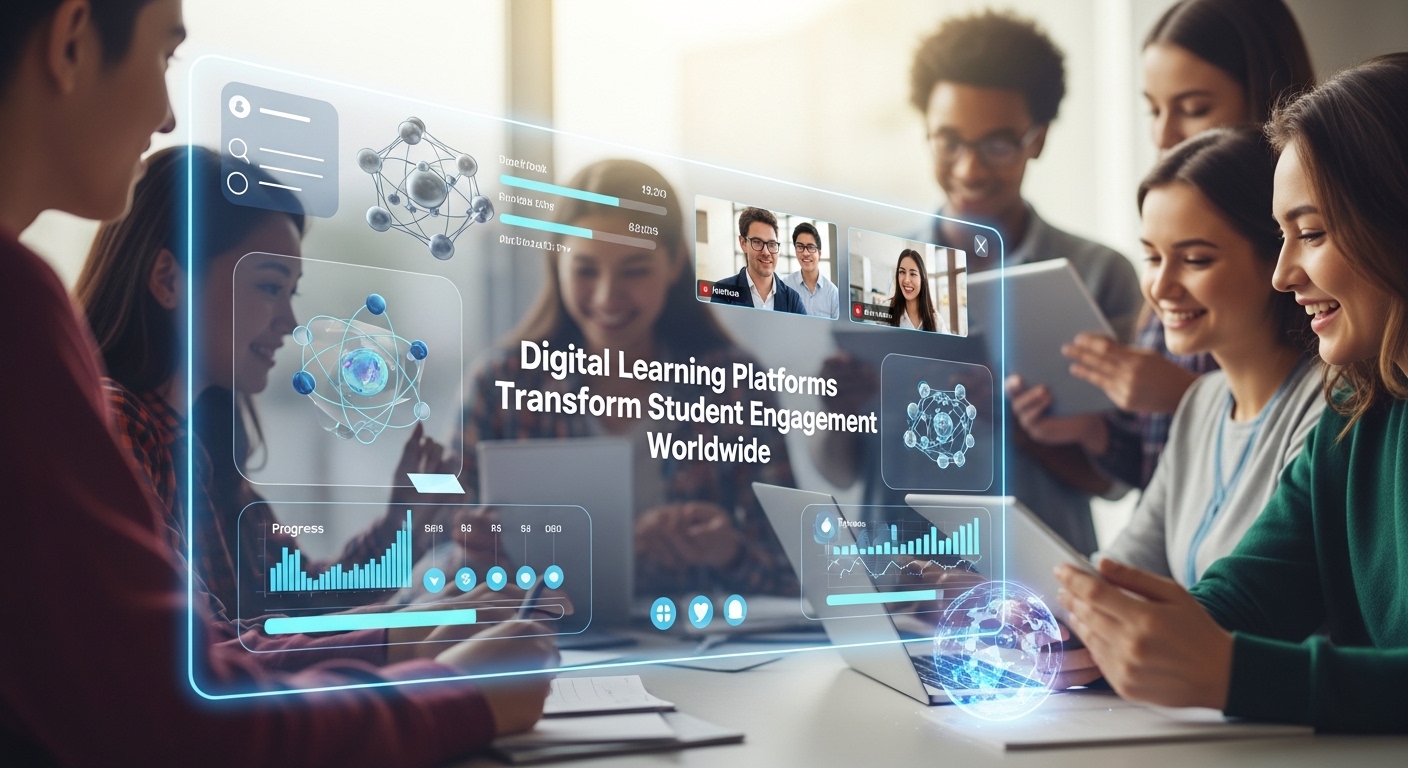
Digital learning platforms are transforming student engagement worldwide by reshaping how education is delivered, accessed, and experienced. With the rise of online classrooms, interactive tools, and AI-driven learning systems, students are now able to study anytime and anywhere. This shift is improving accessibility, personalization, and participation across global education systems in today’s digital era.
Growth of Online Education Systems
Virtual Classroom Expansion
Virtual classrooms are expanding rapidly as schools and universities adopt online teaching models. These platforms enable real-time interaction between teachers and students, allowing lessons to continue beyond physical boundaries while improving access to education across global regions today.
Remote Learning Accessibility
Remote learning accessibility is increasing as students can now attend classes from any location using internet-enabled devices. This flexibility supports learners in rural and urban areas alike, making education more inclusive across global systems today.
Digital Course Availability
Digital course availability is growing as institutions and private platforms offer a wide range of online subjects. Students can now learn skills from academic disciplines to professional certifications through accessible online learning environments worldwide today.
E-Learning Infrastructure Growth
E-learning infrastructure is improving as governments and organizations invest in digital tools, platforms, and internet connectivity. This expansion strengthens education systems and supports large-scale online learning across global student populations today.
Cloud-Based Education Systems
Cloud-based education systems are enabling secure storage and easy access to learning materials. Students and teachers can collaborate efficiently through shared resources, improving the overall learning experience across digital platforms worldwide today.
Student Engagement and Interaction
Interactive Learning Tools
Interactive learning tools are enhancing student engagement by making lessons more dynamic and participatory. Features such as quizzes, simulations, and gamified content help students understand complex topics more effectively across digital classrooms today.
Live Discussion Sessions
Live discussion sessions are increasing student participation by allowing real-time communication with instructors and peers. These sessions improve understanding, collaboration, and engagement in online learning environments across global education systems today.
Gamified Learning Systems
Gamified learning systems are motivating students through rewards, challenges, and progress tracking. This approach makes education more engaging and encourages consistent learning habits across digital platforms worldwide today.
Peer Collaboration Platforms
Peer collaboration platforms are enabling students to work together on projects and assignments online. These tools strengthen communication skills and teamwork across virtual learning environments globally today.
Student Feedback Mechanisms
Student feedback mechanisms are improving digital education by allowing learners to share experiences and suggestions. This helps institutions enhance course quality and engagement in online learning systems worldwide today.
Artificial Intelligence in Education
Personalized Learning Paths
Personalized learning paths are being created using AI to adapt content based on student performance. This ensures learners receive tailored education that matches their individual needs across digital platforms today.
AI Tutoring Systems
AI tutoring systems are providing students with instant academic support through chatbots and intelligent assistants. These tools help explain concepts and answer questions in real time across global education systems today.
Performance Tracking Analytics
Performance tracking analytics are helping educators monitor student progress using data-driven insights. This allows early identification of learning gaps and improves academic outcomes in digital learning environments worldwide today.
Automated Grading Systems
Automated grading systems are saving time for educators by evaluating assignments and tests efficiently. This technology ensures faster feedback and consistent assessment across online education platforms today.
Adaptive Learning Technologies
Adaptive learning technologies are adjusting course difficulty based on student performance. This ensures a more effective and personalized learning experience across digital classrooms worldwide today.
Accessibility and Global Education
Education for Remote Areas
Digital platforms are expanding education access in remote areas where traditional schools are limited. Online learning tools help bridge educational gaps and provide equal opportunities worldwide today.
Language Translation Tools
Language translation tools are improving accessibility by allowing students to learn in multiple languages. This supports global education participation across diverse populations today.
Affordable Learning Solutions
Affordable learning solutions are making education more accessible through low-cost or free online courses. This reduces financial barriers for students across global communities today.
Mobile Learning Expansion
Mobile learning expansion is enabling students to access education through smartphones and tablets. This flexibility supports continuous learning anytime and anywhere across the world today.
Inclusive Education Systems
Inclusive education systems are ensuring that students with disabilities can access learning through assistive technologies. This promotes equality and participation across digital education platforms worldwide today.
Skill Development and Career Growth
Professional Certification Programs
Professional certification programs are helping students gain job-ready skills through online training courses. These programs improve employability across global job markets today.
Technical Skill Training
Technical skill training is expanding through digital platforms that teach coding, engineering, and IT skills. This prepares students for technology-driven careers worldwide today.
Career Development Platforms
Career development platforms are connecting students with job opportunities and internships. These systems support smooth transitions from education to employment across global markets today.
Internship Learning Integration
Internship integration in online learning is providing practical experience alongside academic studies. This improves skill application and career readiness across digital education systems today.
Entrepreneurship Education Growth
Entrepreneurship education is growing through digital platforms that teach business skills and innovation. This encourages students to develop startups and global business ideas today.
Challenges in Digital Learning
Digital Divide Issues
The digital divide remains a major challenge as not all students have equal access to devices and internet connectivity. This affects learning opportunities across global regions today.
Student Motivation Decline
Student motivation can decline in online learning environments due to lack of physical interaction and structured routines. This impacts engagement in digital education systems today.
Technical Infrastructure Gaps
Technical infrastructure gaps limit the effectiveness of digital learning in underdeveloped areas. Poor internet access and hardware shortages reduce education quality worldwide today.
Cybersecurity Risks in Education
Cybersecurity risks are increasing as educational platforms store sensitive student data online. Protecting this information is essential for safe digital learning environments today.
Quality Assurance Challenges
Maintaining consistent education quality across digital platforms is challenging due to varying teaching standards and course designs in online systems worldwide today.
Future of Digital Education
AI Driven Classrooms
AI-driven classrooms will enhance learning experiences through automation, personalization, and real-time feedback systems across global education platforms today.
Virtual Reality Learning
Virtual reality learning will allow students to experience immersive educational environments, improving understanding of complex subjects worldwide today.
Global Classroom Integration
Global classroom integration will connect students and teachers from different countries for collaborative learning experiences across digital platforms today.
Lifelong Learning Expansion
Lifelong learning will become more common as individuals continuously upgrade skills through online education platforms throughout their careers today.
Smart Education Ecosystems
Smart education ecosystems will integrate AI, data analytics, and cloud systems to create efficient and personalized learning environments worldwide today.
How do digital learning platforms help students?
They improve accessibility, flexibility, and personalized learning experiences.
Are online learning platforms effective?
Yes, they can be highly effective with proper engagement and tools.
What skills can students learn online?
Students can learn academic, technical, and professional skills.
What is the biggest challenge in online education?
The digital divide and lack of equal access to technology.
What is the future of digital learning?
It will become more AI-driven, immersive, and globally connected.
Conclusion
Digital learning platforms are transforming student engagement worldwide by making education more accessible, interactive, and personalized. With advancements in AI, mobile technology, and virtual classrooms, learning is becoming more flexible and inclusive. As these systems continue to evolve, they will play a vital role in shaping the future of global education and lifelong skill development.