

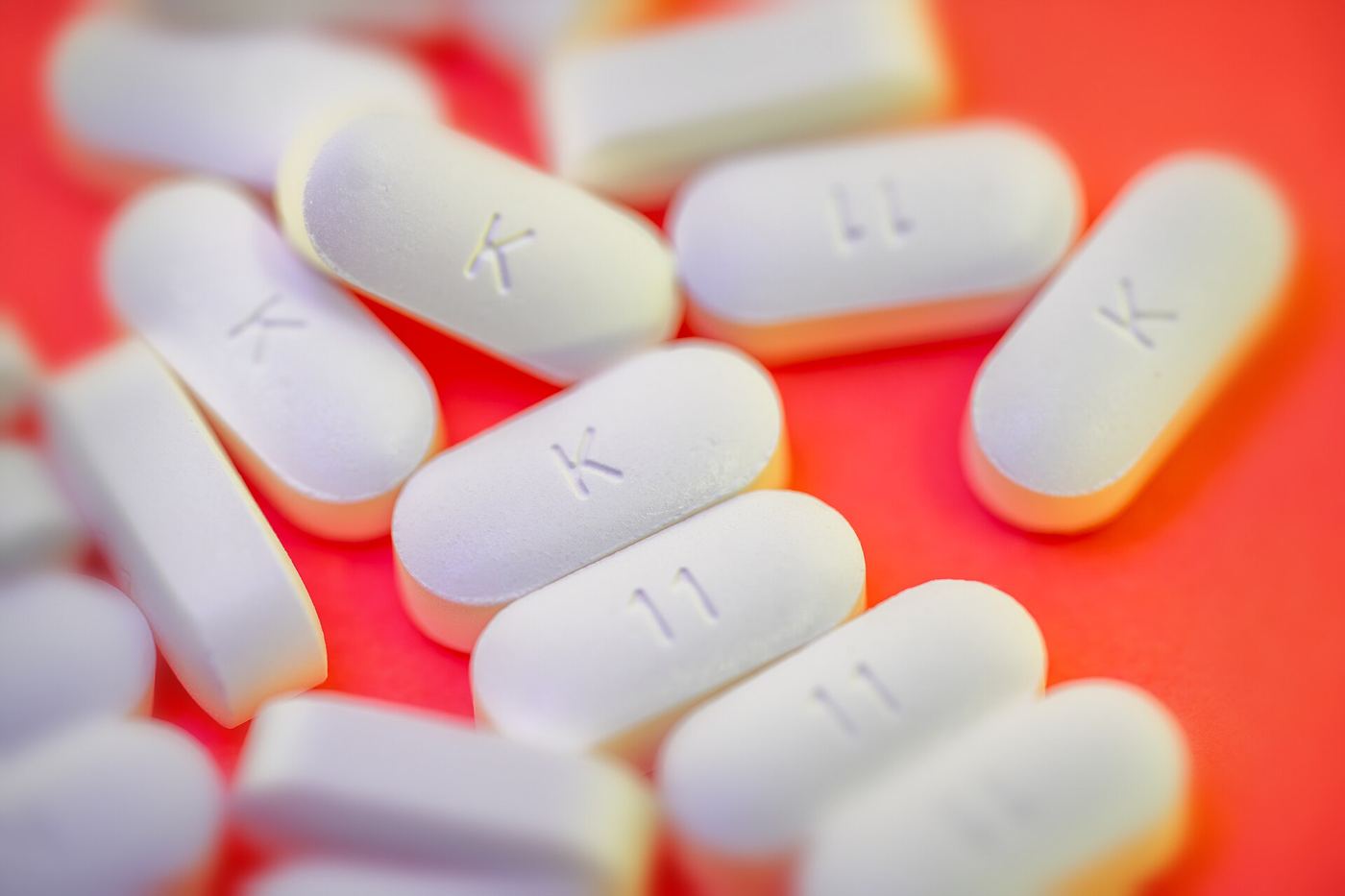
One in six common infections around the world no longer responds to the standard antibiotics used to treat it, the World Health Organization has warned in a new report on drug resistance. The finding means that millions of people with ordinary infections, from urinary tract infections to pneumonia, may find that the first drug their doctor prescribes simply does not work. Drug-resistant bacteria are already a major killer: a landmark study estimated that resistant infections directly caused 1.27 million deaths worldwide in 2019, and the toll has grown since. Gonorrhoea in particular is becoming harder to treat as strains resist more drugs, and hospitals are seeing more infections that respond to only one or two remaining antibiotics. The warning comes as health systems struggle to develop new drugs fast enough to replace the ones that are failing.
What the Evidence Shows
Health officials say the answer is not simply more antibiotics, but using the ones that still work far more carefully. New antibiotics are desperately needed, and the first drug of a new class in decades, gepotidacin, was approved in the past year for urinary tract infections and gonorrhoea. But it is expensive and carries warnings, so experts say it should be reserved for patients without other options. Guidelines still recommend older drugs such as nitrofurantoin as first-line treatment where they still work. The World Health Organization wants doctors to prescribe antibiotics only when they are truly needed, for the shortest effective course, and to test which drug will work before treating. Careful stewardship will decide whether the new drugs stay useful or follow older antibiotics into resistance. Reporting and analysis from sources such as World Health Organization track the same developments, and specialists following the World Health Organization warning on drug resistance say the direction is now consistent across independent lines of evidence.
The Wider Context
The wider context is a health system trying to move from treating illness late to preventing it early, against budgets that reward the opposite. Evidence around the World Health Organization warning on drug resistance is being weighed by guideline committees that ask two questions in order: does it work, and can ordinary services actually deliver it at scale. Many good ideas pass the first test and stall on the second.
What Happens Next
What happens next for the World Health Organization warning on drug resistance depends on the slow machinery of guidelines, funding and training catching up with the evidence. Patients asking about it today should expect honest answers that include uncertainty, and clinicians say a service that explains what is not yet known earns more trust than one that oversells. The research pipeline, at least, is moving in the right direction. You can follow related developments in our coverage of health.
There is a practical lesson in all of this for readers deciding what to do today. Start with the verified facts, be wary of anyone promising certainty, and prefer reversible steps while the evidence is still developing. Circumstances differ by country, income and personal situation, so general guidance should always be weighed against your own context before you act on it in any significant or lasting way.
